
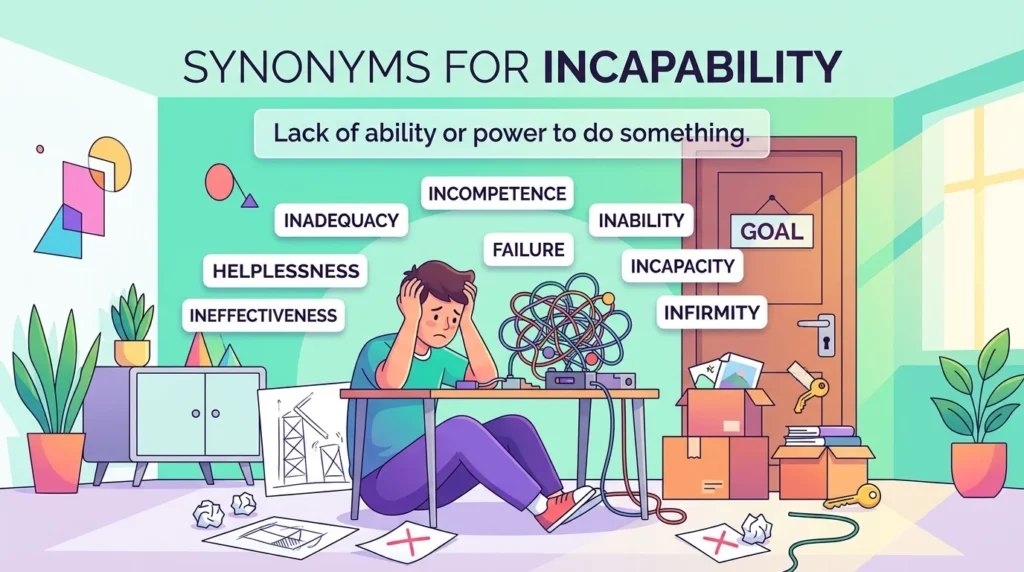
Synonym for incapability helps you describe a lack of skill, limited talent, or powerlessness with much better precision. You feel completely frustrated when technical flaws expose sudden incapability during a live product launch presentation.
Rich synonyms make your writing pop and help you connect with your readers. Writers and speakers often use a synonym for incapability to describe operational shortcomings, personal limitations, or functional gaps.
This synonym for incapability gives students, bloggers, and content creators fresh options to elevate their work. Strong vocabulary keeps your daily English conversations colorful, engaging, and clear.
Expanding your word choice allows you to paint a vivid picture of human constraints and functional barriers. Choosing the right synonym for incapability turns a plain sentence into a memorable communication experience.
What Does “Incapability” Really Mean?
Meaning: The lack of necessary ability, power, or qualifications to accomplish a task. Emotional Tone: Formal, critical, or clinical. Native Understanding: Native speakers use it when analyzing functional failures, legal liability limits, or skills gaps. Common Contexts: Performance reviews, technical audits, psychological reports, and academic evaluations. Part of Speech: Noun. Simple definition: The state of being unable to do something.
Connotative Meaning
- Positive tone: Recognizing personal boundaries and knowing when to ask for help.
- Negative tone: Incompetence, inadequacy, or professional failure.
- Neutral tone: Objective evaluations of physical or mental limitations.
- Connotation: (The emotional or cultural feeling a word carries beyond its literal dictionary definition.)
Etymology
- Origin: Derived from Latin in- (not) + capabilis (capable), combining roots of taking or holding.
- *Old English (450–1100): Germanic dialects used simple terms regarding strength or weakness before Latin terms entered administration.
- Middle English (1100–1500): Evolved through legal and theological texts to denote a lack of legal capacity.
- Modern English (1500–Present): Standardized into terms describing operational or intellectual limitations.
Pronunciation (US & UK – IPA)
- US: /ˌɪn.kəˈpeɪ.bəl.ə.t̬i/
- UK: /ˌɪn.kəˈpeɪ.bə.lə.ti/
Syllables
- Syllables: in-ca-pa-bil-i-ty
- Affixation Pattern: Prefix (in-) + root (capable) + suffix (-ity)
- Root: capere / to take or hold
- Prefix: in- (not)
- Suffix: -ity (state of being)
Synonyms List
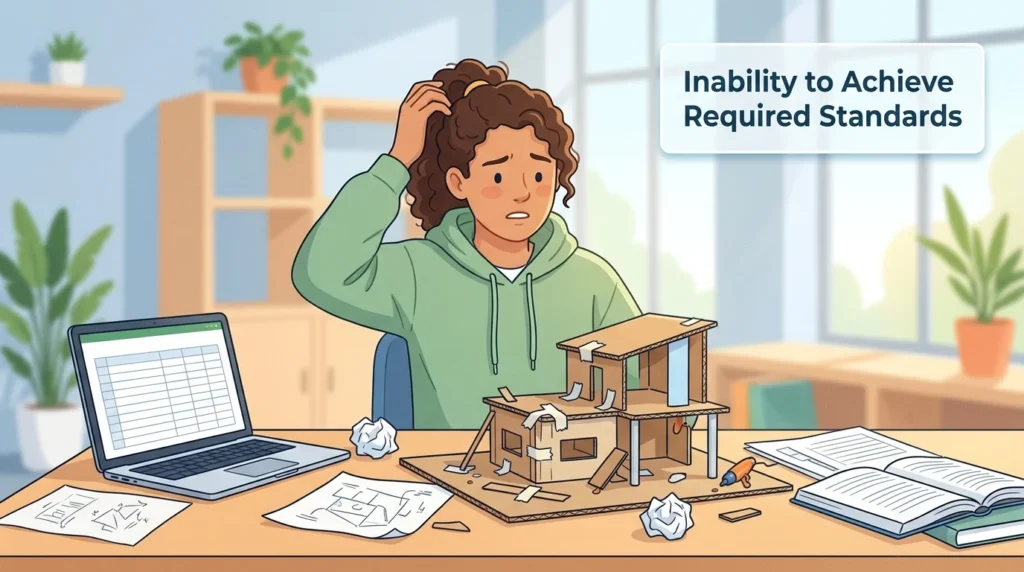
Incompetence (Noun)
- Meaning: Inability to do something successfully or achieve required standards.
- Tone/Register: Formal / Professional
- Example 1: The audit revealed systemic incompetence within the procurement department.
- Example 2: Professional incompetence can lead to immediate contract termination.
Inability (Noun)
- Meaning: The state of being unable to do something due to missing resources or skills.
- Tone/Register: Standard / Formal
- Example 1: His inability to speak French delayed the international partnership.
- Example 2: Financial inability prevented the startup from buying new servers.
Inadequacy (Noun)
- Meaning: The state of not being sufficient or good enough for a purpose.
- Tone/Register: Academic / Psychological
- Example 1: She felt a deep sense of inadequacy during her first big review.
- Example 2: Technical inadequacy forced the team to rebuild the software architecture.
Powerlessness (Noun)
- Meaning: Lacking the authority, strength, or means to affect a situation.
- Tone/Register: Emotional / Literary
- Example 1: Citizens felt total powerlessness during the unexpected city blackout.
- Example 2: He struggled with the powerlessness of watching his project stall.
Ineptitude (Noun)
- Meaning: Lack of skill or capability; clumsiness in execution.
- Tone/Register: Formal / Critical
- Example 1: Pure managerial ineptitude caused the supply chain delays.
- Example 2: The error was blamed on sheer operational ineptitude.
Inefficiency (Noun)
- Meaning: Wastefulness of time, energy, or resources through poor organization.
- Tone/Register: Business / Professional
- Example 1: Operational inefficiency cost the factory thousands of dollars weekly.
- Example 2: Legacy software created massive inefficiency in customer service workflows.
Helplessness (Noun)
- Meaning: Inability to defend oneself or act effectively without assistance.
- Tone/Register: Emotional / Standard
- Example 1: A wave of helplessness washed over her when the files vanished.
- Example 2: Rescue workers addressed the helplessness of stranded mountain hikers.
Disability (Noun)
- Meaning: A physical or mental condition that limits a person’s movements or activities.
- Tone/Register: Medical / Formal
- Example 1: The building design accommodated individuals with physical mobility disabilities.
- Example 2: Workplace accommodations support employees managing chronic hidden disabilities.
Impotence (Noun)
- Meaning: Inability to take effective action; helplessness or lack of power.
- Tone/Register: Formal / Literary
- Example 1: Committee members expressed political impotence regarding budget cuts.
- Example 2: He hated the feeling of impotence while waiting for news.
Ineffectiveness (Noun)
- Meaning: Lack of power to produce a desired result or successful outcome.
- Tone/Register: Professional / Analytical
- Example 1: The marketing campaign’s ineffectiveness prompted an immediate strategy shift.
- Example 2: Management criticized the ineffectiveness of the old security protocol.
Unfitness (Noun)
- Meaning: The state of not being suitable or qualified for a specific role.
- Tone/Register: Legal / Formal
- Example 1: Medical unfitness disqualified him from military flight school.
- Example 2: Evidence proved his unfitness for holding public office.
Deficiency (Noun)
- Meaning: A lack or shortage of something essential for proper functioning.
- Tone/Register: Technical / Medical
- Example 1: Blood tests showed a vitamin deficiency affecting her energy levels.
- Example 2: The report noted a critical deficiency in safety training records.
Shortcoming (Noun)
- Meaning: A fault or failure to reach a required standard of capability.
- Tone/Register: Standard / Constructive
- Example 1: Every team member recognized their personal communication shortcomings.
- Example 2: Reviewing product shortcomings helped engineers design a better prototype.
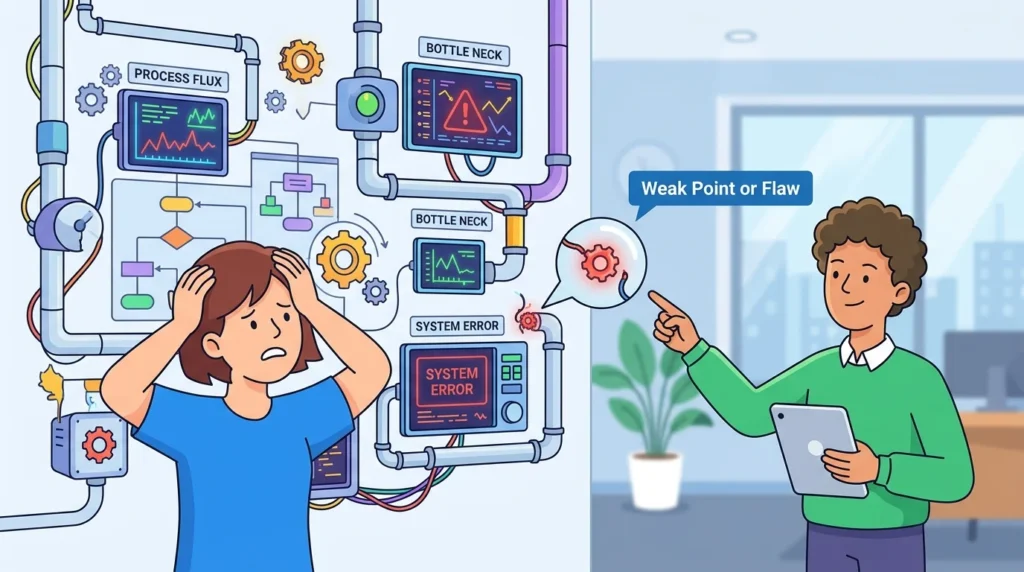
Failing (Noun)
- Meaning: A weak point, flaw, or minor incapability in character or system.
- Tone/Register: Literary / Conversational
- Example 1: Perfectionism was his greatest failing when managing tight deadlines.
- Example 2: Designers overlooked a minor structural failing in the blueprint.
Weakness (Noun)
- Meaning: A lack of strength, power, or resilience in a specific area.
- Tone/Register: Standard / Common
- Example 1: Identifying a strategic weakness allowed competitors to gain ground.
- Example 2: Her primary weakness lay in public speaking under pressure.
Incompetency (Noun)
- Meaning: Alternative form of incompetence denoting a failure of skill.
- Tone/Register: Legal / Professional
- Example 1: Charges of professional incompetency were filed against the firm.
- Example 2: The legal brief cited gross incompetency by the opposing counsel.
Maladroitness (Noun)
- Meaning: Awkwardness or lack of deftness in handling delicate situations.
- Tone/Register: Literary / Academic
- Example 1: His social maladroitness made group dinners awkward.
- Example 2: Diplomatic maladroitness strained international trade negotiations.
Awkwardness (Noun)
- Meaning: Lack of skill, grace, or ease in physical or social execution.
- Tone/Register: Conversational / Standard
- Example 1: Social awkwardness made networking events stressful for introverts.
- Example 2: Physical awkwardness vanished after consistent dance training.
Clumsiness (Noun)
- Meaning: Lacking coordination, grace, or precise operational skill.
- Tone/Register: Conversational / Descriptive
- Example 1: His clumsiness resulted in a broken coffee mug on the floor.
- Example 2: Software navigation suffered from interface clumsiness.
Ineptness (Noun)
- Meaning: Quality of being unskillful, foolish, or lacking competence.
- Tone/Register: Formal / Critical
- Example 1: Editorial ineptness slipped multiple grammatical errors into print.
- Example 2: Public speakers criticized the political ineptness of the response.
Incapacity (Noun)
- Meaning: The lack of capacity, power, or legal qualification to perform an act.
- Tone/Register: Legal / Formal
- Example 1: Mental incapacity prevented him from signing the legal documents.
- Example 2: Temporary physical incapacity kept her on medical leave.
Ineffectuality (Noun)
- Meaning: Lack of the ability to produce any effective or meaningful result.
- Tone/Register: Academic / Formal
- Example 1: Critics pointed out the policy’s total ineffectiveness against inflation.
- Example 2: The committee suffered from administrative ineffectiveness.
Ineptitude (Noun)
- Meaning: A lack of skill or capability combined with poor judgment.
- Tone/Register: Formal / Critical
- Example 1: Management blamed production delays on operational ineptitude.
- Example 2: Bureaucratic ineptitude frustrated local business owners.
Impotency (Noun)
- Meaning: Utter lack of power, strength, or ability to change a situation.
- Tone/Register: Formal / Literary
- Example 1: He felt a crushing sense of impotence during the crisis.
- Example 2: Political impotence paralyzed the legislative assembly.
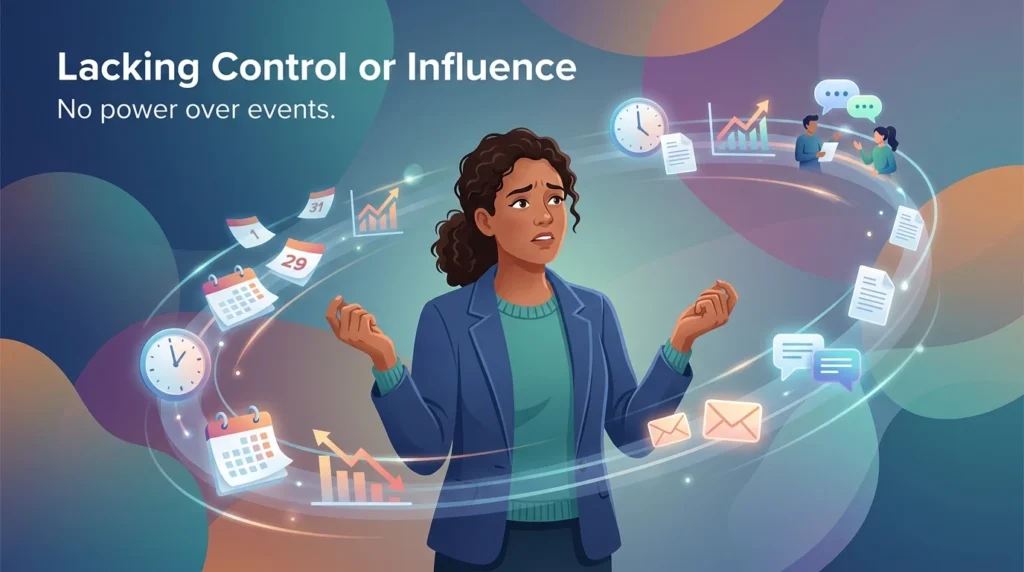
Powerlessness (Noun)
- Meaning: The state of lacking any control or influence over events.
- Tone/Register: Emotional / Direct
- Example 1: Citizens experienced deep powerlessness during the blackout.
- Example 2: She hated the powerlessness of waiting for test results.
Helplessness (Noun)
- Meaning: An inability to defend oneself or manage without outside help.
- Tone/Register: Conversational / Standard
- Example 1: A wave of helplessness hit him when his laptop crashed.
- Example 2: Rescuers addressed the helplessness of stranded hikers.
Inefficiency (Noun)
- Meaning: Wasting time, effort, or materials due to poor execution.
- Tone/Register: Business / Professional
- Example 1: Workflow inefficiency slowed down product shipments.
- Example 2: The audit flagged massive inefficiency in supply chains.
Unskillfulness (Noun)
- Meaning: A direct lack of proficiency, training, or practical craft.
- Tone/Register: Descriptive / Formal
- Example 1: Unskillfulness in handling tools ruined the woodwork project.
- Example 2: The repair failed due to sheer unskillfulness.
Maladroitness (Noun)
- Meaning: Clumsiness or awkwardness in dealing with sensitive matters.
- Tone/Register: Literary / Academic
- Example 1: Diplomatic maladroitness strained international alliances.
- Example 2: His social maladroitness made conversations uncomfortable.
Gauche (Adjective used as Noun context / Quality)
- Meaning: Lacking social grace, sophistication, or tactful capability.
- Tone/Register: Formal / Literary
- Example 1: Her remarks displayed a surprising lack of social grace.
- Example 2: The faux pas revealed a certain gaucherie in his manners.
Awkwardness (Noun)
- Meaning: Lack of smoothness, grace, or functional ease.
- Tone/Register: Conversational / Standard
- Example 1: Physical awkwardness made dance lessons challenging for him.
- Example 2: The silence carried a thick, palpable awkwardness.
Clumsiness (Noun)
- Meaning: Physical or mental awkwardness resulting in mistakes.
- Tone/Register: Conversational / Descriptive
- Example 1: His clumsiness resulted in a spilled cup of coffee.
- Example 2: Interface clumsiness frustrated web app users.
Incompetency (Noun)
- Meaning: A formal term for lacking the required professional skills.
- Tone/Register: Legal / Professional
- Example 1: Charges of professional incompetency were filed in court.
- Example 2: The report cited gross incompetency among staff.
Faultiness (Noun)
- Meaning: The state of having flaws, defects, or operational failures.
- Tone/Register: Technical / Standard
- Example 1: Faultiness in the wiring caused the power outage.
- Example 2: Engineers tested the device for hidden structural faultiness.
Imperfection (Noun)
- Meaning: A flaw, blemish, or lack of absolute completeness.
- Tone/Register: Standard / Literary
- Example 1: Every handmade ceramic bowl had a unique imperfection.
- Example 2: Software testers logged every minor UI imperfection.
Defectiveness (Noun)
- Meaning: The condition of being flawed or broken in performance.
- Tone/Register: Technical / Business
- Example 1: Product defectiveness led to an immediate factory recall.
- Example 2: Quality control checked items for material defectiveness.
Flawiness (Noun)
- Meaning: Having multiple structural or functional imperfections.
- Tone/Register: Descriptive / Technical
- Example 1: The draft suffered from systemic flawiness in its logic.
- Example 2: Analysts noted the flawiness of the financial model.
Unfitness (Noun)
- Meaning: Not being suitable, qualified, or physically prepared.
- Tone/Register: Formal / Legal
- Example 1: Physical unfitness barred him from firefighter training.
- Example 2: The document proved his legal unfitness for the role.
Impairment (Noun)
- Meaning: A permanent or temporary weakening of normal function.
- Tone/Register: Medical / Formal
- Example 1: Hearing impairment required specialized classroom equipment.
- Example 2: Vision impairment made night driving hazardous.
Disability (Noun)
- Meaning: A physical or mental condition limiting standard activities.
- Tone/Register: Medical / Professional
- Example 1: The office installed ramps to accommodate physical disabilities.
- Example 2: Support networks assist employees managing hidden disabilities.
Hurdle (Noun)
- Meaning: An obstacle or difficulty that stands in the way of progress or success.
- Tone/Register: Standard / Professional
- Example 1: Unexpected budget cuts presented a major hurdle for the project team.
- Example 2: Overcoming technical hurdles requires patience and consistent collaboration.
Disadvantage (Noun)
- Meaning: An unfavorable condition or circumstance creating limits.
- Tone/Register: Standard / Common
- Example 1: Playing away games puts the team at a slight disadvantage.
- Example 2: Starting late gave them a structural disadvantage.
Shortcoming (Noun)
- Meaning: A localized fault or failure to reach a standard.
- Tone/Register: Standard / Constructive
- Example 1: Team members discussed communication shortcomings openly.
- Example 2: Identifying software shortcomings guided the next update.
Failing (Noun)
- Meaning: A weak point or minor behavioral incapability.
- Tone/Register: Literary / Conversational
- Example 1: Impatience was his primary failing during group projects.
- Example 2: Reviewers overlooked minor stylistic failings in the novel.
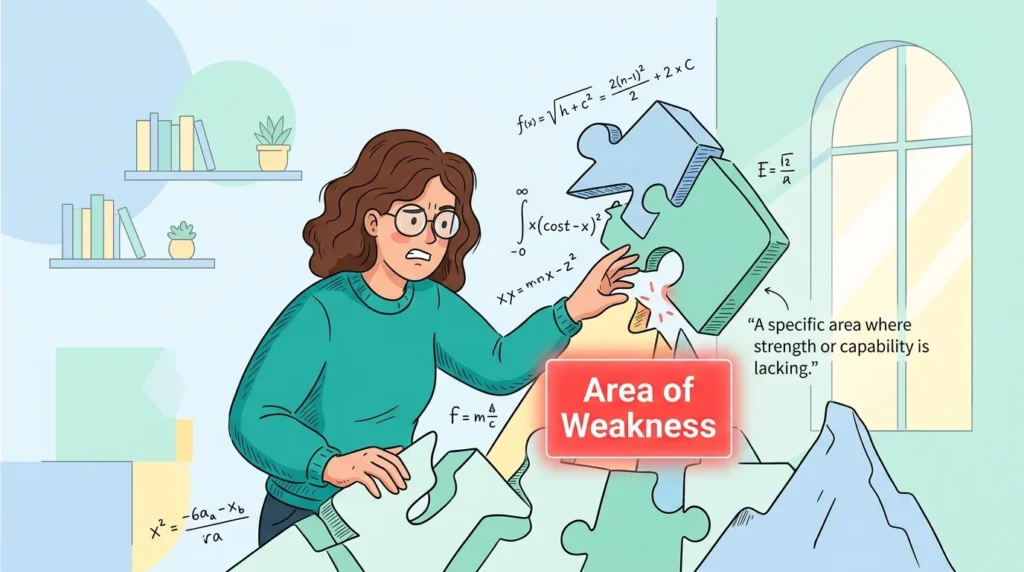
Weakness (Noun)
- Meaning: A specific area where strength or capability is lacking.
- Tone/Register: Standard / Common
- Example 1: Public speaking remained her biggest professional weakness.
- Example 2: Security audits exposed a critical weakness in the network.
Synonyms by Tone
Positive tone:
Shortcoming, weakness (when framed constructively as areas for growth).
Neutral tone:
Inability, deficiency, disability, inadequacy.
Negative tone:
Incompetence, ineptitude, impotence, ineptness.
Playful/informal tone:
Clumsiness, awkwardness.
Tone matters because your word choice signals how harshly or objectively you judge a limitation. Calling an error a “shortcoming” sounds constructive. Calling it “incompetence” sounds severe and punitive.
Mini Comparison: Incapability vs. Incompetence vs. Inability
- Incapability: Focuses broadly on a general lack of capacity or power to do something. Use it for objective limits.
- Incompetence: Focuses specifically on failing to meet required professional standards or skills. Use it for strict job performance critiques.
- Inability: Focuses on missing specific tools, languages, or resources needed for an exact task. Use it for practical barriers.
Context-Based Usage
In daily conversation, native speakers say “He just can’t do it” or “She lacked the time.” Simple phrases fit casual chats best.
When writing blog posts or guides, use “inability,” “shortcoming,” or “deficiency” to maintain clear instruction flow.
In academic or professional reports, choose “incompetence,” “inefficiency,” or “ineptitude” to keep the tone objective and precise.
Creative writers love “powerlessness,” “helplessness,” or “maladroitness” to build rich literary atmosphere.
Common Mistakes & Native Usage
- Mistake 1: Confusing “incapability” (lacking capacity) with “disability” (a protected medical or physical condition).
- Mistake 2: Using “incompetence” for minor mistakes instead of severe professional failure.
- Overuse warning: Repeating “incapability” in every paragraph makes your critique sound monotonous. Mix in “ineptitude” or “shortcoming.”
In spoken English, people talk about falling short. In written English, precise nouns make your analytical reviews sharp.
Real-Life Mini Scenarios
- Workplace: The manager addressed team inefficiencies during the quarterly review.
- Social situations: She gently acknowledged her social awkwardness at large parties.
- Media / pop culture: Film critics analyzed the protagonist’s emotional powerlessness.
- Writing or storytelling: The novel explored the psychological consequences of personal shortcomings.
Conclusion
Expanding your knowledge of a synonym for incapability gives your writing and speaking a much richer, more authentic touch. Subtle upgrades in your everyday vocabulary turn ordinary paragraphs into memorable moments that instantly capture your reader’s attention.
Try weaving one of these descriptive terms into your next essay, message, or daily chat today to see how quickly your communication style transforms.
Which term will you test out first when you describe a limitation next? Take a moment to write a quick sentence in your notes or share your favorite pick with a friend right now. Building a stronger lexicon is a fun journey that opens up countless ways to express yourself more clearly and creatively every single day.
Interactive Practice Quiz
Which word best describes a severe professional failure to meet required standards?
- A) Incompetence
- B) Perfection
- C) Skill
- D) Talent
What term fits a missing resource or practical barrier stopping an action?
- A) Inability
- B) Wealth
- C) Surplus
- D) Abundance
Which synonym refers to wastefulness of time or resources through poor organization?
- A) Inefficiency
- B) Precision
- C) Speed
- D) Economy
How would a constructive review describe a minor flaw or area for personal growth?
- A) Shortcoming
- B) Disaster
- C) Ruin
- D) Collapse
Which term describes a lack of physical coordination or grace?
- A) Clumsiness
- B) Agility
- C) Balance
- D) Finesse
What word means a lack of power or authority to affect a situation?
- A) Powerlessness
- B) Control
- C) Mastery
- D) Dominance
Which option describes technical failings or gaps in system design?
- A) Inadequacy
- B) Perfection
- C) Excellence
- D) Mastery
What phrase or term works best for medical or physical limitations?
- A) Disability
- B) Strength
- C) Vigor
- D) Wellness
Which term refers to social awkwardness in delicate situations?
- A) Maladroitness
- B) Charm
- C) Grace
- D) Poise
What word describes a shortage of something essential for proper health?
- A) Deficiency
- B) Surplus
- C) Excess
- D) Overload
Task: Write one short sentence using the word incompetence in your notebook or reply below.
Answer Key: 1-A | 2-A | 3-A | 4-A | 5-A | 6-A | 7-A | 8-A | 9-A | 10-A
Frequently Asked Questions
What is the difference between incapability and incompetence?
Incapability refers broadly to lacking the power or capacity to do something, while incompetence specifically denotes failing to meet professional skill standards.
Can shortcomings be used in professional writing?
Yes, shortcoming is excellent for professional reviews because it highlights areas for growth without sounding overly harsh or punitive.
What is another word for a lack of resources?
Common alternatives include inability, deficiency, or inadequacy.
Is incapability a formal or conversational term?
It is formal vocabulary that appears most frequently in academic, legal, or professional critiques.
Why do writers use synonyms for incapability?
Using varied terms like ineptitude, inefficiency, or shortcoming prevents repetition and provides precise psychological nuance.

Aleesha Rani is a passionate language writer focused on making English vocabulary simple, useful, and engaging. She creates clear content on synonyms, word meanings, and practical language use.
Through vocaneest.com, Aleesha Rani shares original, reader-friendly resources that help students, writers, and English learners choose better words and communicate with confidence.

Pingback: 50 Best Synonym for Overcoming🧗 Obstacles (2k26)