The synonym for normalize is a powerful phrase used by students, bloggers, content writers, and everyday English users seeking precise vocabulary. When you write an essay, a blog post, or a professional email, finding the right term makes your message completely clear.
Imagine trying to explain how a new remote work policy became standard practice in your office. Whenever you look for the perfect synonym for normalize, choosing a smart alternative helps your thoughts flow naturally.
Mastering alternative words significantly improves your overall writing style and boosts your vocabulary depth. Writers love exploring fresh expressions because it keeps readers engaged from start to finish.
Choosing the right expression ensures your audience understands your core message without any confusion. Whether you are drafting a casual text or a formal report, finding a reliable synonym for normalize builds immediate trust. Start exploring these semantic variants today to enhance your everyday communication skills.
What Does “Synonym for normalize” Really Mean?
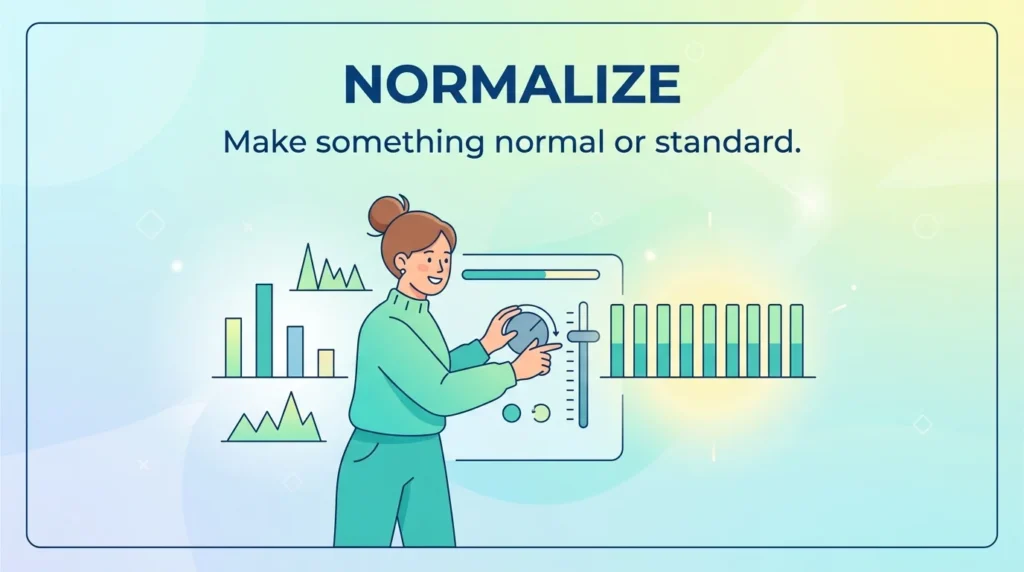
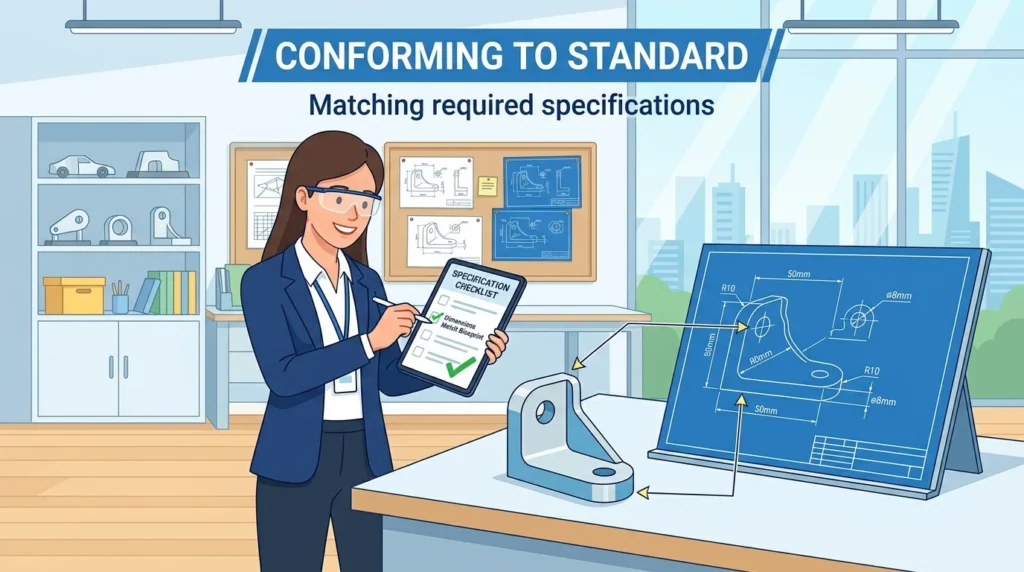
In simple English, a synonym for normalize is an alternative word or phrase that means to make something standard, regular, typical, or accepted. Native speakers use these terms when describing how a behavior, rule, or process becomes the normal way of doing things.
The emotional tone of these terms is usually neutral, but it can shift depending on the specific word you choose. For example, terms like “standardize” carry a technical or professional weight, while words like “mainstream” feel much more conversational and cultural.
Connotative Meaning
- Positive tone: Expresses progress, acceptance, or healthy adaptation.
- Negative tone: Can imply enforcing conformity or accepting undesirable behaviors.
- Neutral tone: Describes a transition into a regular or standard state.
(Connotation refers to the emotional or cultural association attached to a word, extending beyond its literal dictionary definition.)
Etymology
The root of normalization traces back to the Late Latin word normalis, meaning conforming to a rule or square.
- Old English (450–1100): The concept existed through descriptive native phrases about rules and straightness, long before modern verbs formed.
- Middle English (1100–1500): Borrowed terms from French and Latin began introducing standard measurement concepts into legal and trade writing.
- Modern English (1500–Present): The verb forms and derivative nouns like normalization emerged fully during the industrial and scientific eras.
Pronunciation & Syllables
- US: /ˈsɪn.ə.nɪm fɔːr ˈnɔːr.məl.aɪz/
- UK: /ˈsɪn.ə.nɪm fɔːr ˈnɔː.məl.aɪz/
- Syllables: syn-o-nym for nor-mal-ize
- Affixation Pattern:
- Root: norm (from Latin norma)
- Prefix: none for the base phrase
- Suffix: -ize (verb-forming suffix)
Synonyms List
Standardize (Verb) — US /ˈstæn.dɚ.daɪz/ / UK /ˈstæn.dəd.aɪz/
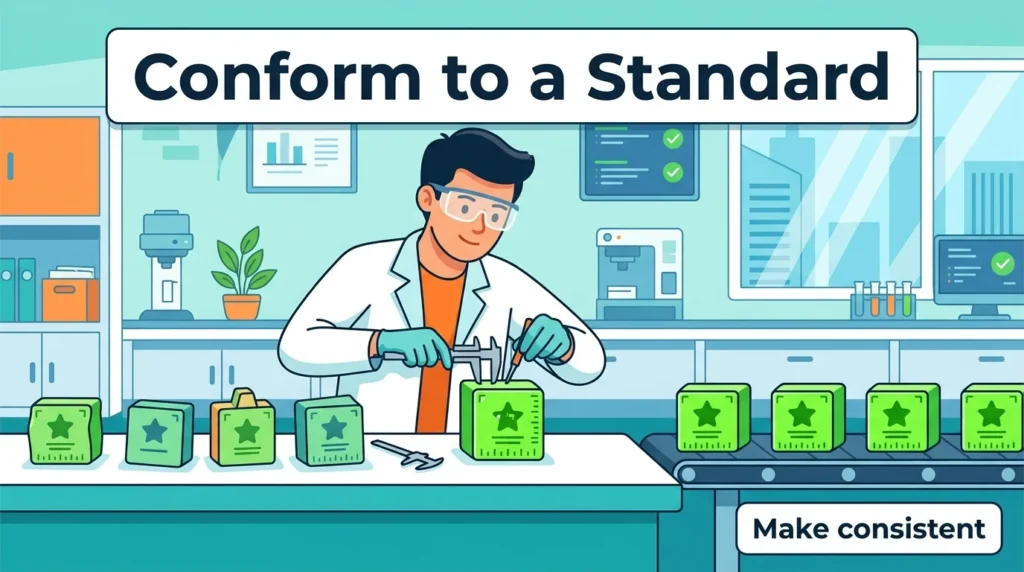
Meaning: To cause something to conform to a standard or consistent set of specifications.
Tone/Register: Business, Technical
Example 1: The department decided to standardize its reporting software across all regional branches.
Example 2: Engineers must standardize testing procedures to ensure reliable product quality.
Regularize (Verb) — US /ˈrɛɡ.jə.lə.daɪz/ / UK /ˈrɛɡ.jə.lə.daɪz/
Meaning: To make regular, methodical, or consistent in form or character.
Tone/Register: Formal, Legal
Example 1: The committee worked to regularize the freelance contracts before fiscal year closure.
Example 2: Management needed to regularize working hours to comply with labor laws.
Mainstream (Verb) — US /ˈmeɪn.striːm/ / UK /ˈmeɪn.striːm/
Meaning: To bring something widely popular or common into general public acceptance.
Tone/Register: Cultural, Media
Example 1: Social media platforms helped mainstream plant-based diets across global markets.
Example 2: The fashion magazine tried to mainstream vintage apparel styles for teenagers.
Conventionalize (Verb) — US /kənˈvɛn.ʃən.əl.aɪz/ / UK /kənˈvɛn.ʃən.əl.aɪz/
Meaning: To make conventional or customary in behavior or artistic expression.
Tone/Register: Academic, Formal
Example 1: Art historians studied how the academy began to conventionalize landscape painting.
Example 2: The writer chose not to conventionalize the plot ending for commercial appeal.
Codify (Verb) — US /ˈkoʊ.dɪ.faɪ/ / UK /ˈkəʊ.dɪ.faɪ/
Meaning: To arrange laws or rules into a systematic code or standard practice.
Tone/Register: Legal, Formal
Example 1: Lawmakers moved quickly to codify data privacy protections into federal statute.
Example 2: The board wanted to codify internal ethics guidelines for all incoming staff.
Institutionalize (Verb) — US /ˌɪn.stəˈtuː.ʃən.əl.aɪz/ / UK /ˌɪn.stɪˈtjuː.ʃən.əl.aɪz/
Meaning: To establish something as a normal or customary practice within an organization.
Tone/Register: Professional, Academic
Example 1: The school sought to institutionalize peer-to-peer tutoring programs.
Example 2: Corporations must institutionalize safety protocols to protect workers daily.
Formalize (Verb) — US /ˈfɔːr.mə.laɪz/ / UK /ˈfɔː.məl.aɪz/
Meaning: To give something a definite structure or official status.
Tone/Register: Business, Professional
Example 1: Both partners met on Friday to formalize the joint venture agreement.
Example 2: She asked her supervisor to formalize the remote work arrangement in writing.
Normalize (Verb) — US /ˈnɔːr.məl.aɪz/ / UK /ˈnɔː.məl.aɪz/
Meaning: To make normal, standard, or regular in form, structure, or content.
Tone/Register: Standard, Professional
Example 1: Teachers tried to normalize open discussions about classroom stress.
Example 2: Software engineers work to normalize database tables to reduce data redundancy.
Universalize (Verb) — US /juː.nəˈvɝː.səl.aɪz/ / UK /juː.nɪˈvɜː.səl.aɪz/
Meaning: To make universal or applicable to all worldwide cases and groups.
Tone/Register: Formal, Academic
Example 1: Economists debated whether to universalize healthcare benefits across every region.
Example 2: The organization sought to universalize human rights protections globally.
Normalize-style (Adjective) — US /ˈnɔːr.məl.aɪz staɪl/ / UK /ˈnɔː.məl.aɪz staɪl/
Meaning: Characteristic of standardizing procedures or routines.
Tone/Register: Descriptive, Technical
Example 1: The manual outlined a normalize-style approach for handling data inputs.
Example 2: Analysts preferred a normalize-style review to keep performance metrics consistent.
Generalize (Verb) — US /ˈdʒɛn.ɚ.əl.aɪz/ / UK /ˈdʒɛn.ər.əl.aɪz/
Meaning: To make something more general or applicable to a broader category.
Tone/Register: Academic, Formal
Example 1: Researchers tried not to generalize their findings from a single sample group.
Example 2: The instructor explained how to generalize the mathematical formula for advanced problems.
Popularize (Verb) — US /ˈpɑː.pjə.lɚ.aɪz/ / UK /ˈpɒp.jʊ.lə.aɪz/
Meaning: To make something widely known, liked, or accepted by the general public.
Tone/Register: Cultural, Conversational
Example 1: Science communicators worked to popularize complex astrophysics for children.
Example 2: Cooking shows helped popularize quick weekday dinner recipes.
Commonize (Verb) — US /ˈkɑː.mən.aɪz/ / UK /ˈkɒ.mən.aɪz/
Meaning: To make common, shared, or accessible to the public domain.
Tone/Register: Formal, Rare
Example 1: Local councils moved to commonize shared pasture lands for village farmers.
Example 2: The project aimed to commonize open-source software libraries for developers.
Customary (Adjective) — US /ˈkʌs.tə.mer.i/ / UK /ˈkʌs.tə.mri/
Meaning: According to the customs or usual practices of a particular society.
Tone/Register: Formal, Cultural
Example 1: Exchanging small gifts is customary when visiting a home in that region.
Example 2: The CEO followed customary protocols during the diplomatic reception.
Routine (Adjective) — US /ruːˈtiːn/ / UK /ruːˈtiːn/
Meaning: Performed as part of a regular procedure rather than for a special reason.
Tone/Register: Standard, Everyday
Example 1: Maintenance crews performed routine checks on the facility elevators.
Example 2: She completed her routine tasks before starting on the new project.
Typical (Adjective) — US /ˈtɪp.ɪ.kəl/ / UK /ˈtɪp.ɪ.kəl/
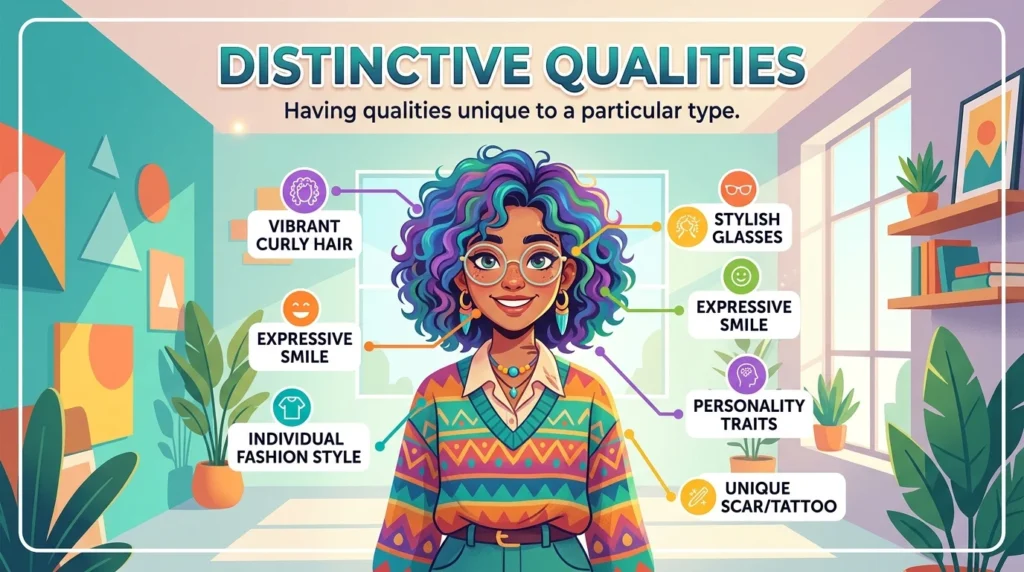
Meaning: Having the distinctive qualities of a particular type of person or thing.
Tone/Register: Standard, Conversational
Example 1: Heavy afternoon traffic is typical for this busy downtown intersection.
Example 2: He responded with typical enthusiasm when given the new assignment.
Habitual (Adjective) — US /həˈbɪtʃ.u.əl/ / UK /həˈbɪtʃ.u.əl/
Meaning: Done or doing something constantly or as a matter of habit.
Tone/Register: Formal, Descriptive
Example 1: Early morning jogging became a habitual part of his daily schedule.
Example 2: Her habitual punctuality made her a reliable team member.
Routine-based (Adjective) — US /ruːˈtiːn beɪst/ / UK /ruːˈtiːn beɪst/
Meaning: Based strictly on established recurring schedules or procedures.
Tone/Register: Business, Practical
Example 1: The operations manager implemented a routine-based workflow for warehouse sorting.
Example 2: Office staff appreciated the clear, routine-based task assignments.
Systematize (Verb) — US /ˈsɪs.tə.mə.taɪz/ / UK /ˈsɪs.tɪ.mə.taɪz/
Meaning: To arrange according to an organized system or structured plan.
Tone/Register: Formal, Technical
Example 1: The librarian worked to systematize the old historical manuscript collection.
Example 2: Management wanted to systematize customer service feedback protocols.
Methodize (Verb) — US /ˈmɛθ.ə.daɪz/ / UK /ˈmɛθ.ə.daɪz/
Meaning: To arrange according to a method or clear plan of action.
Tone/Register: Academic, Formal
Example 1: Scientists attempted to methodize the chaotic collection of field observations.
Example 2: The writer sought to methodize her daily creative writing schedule.
Regular (Adjective) — US /ˈrɛɡ.jə.lɚ/ / UK /ˈrɛɡ.jʊ.lə/
Meaning: Recurring at uniform intervals of time or space; normal.
Tone/Register: Standard, Everyday
Example 1: Regular oil changes keep your vehicle running smoothly.
Example 2: They scheduled regular weekly syncs to track project updates.
Accustom (Verb) — US /əˈkʌs.təm/ / UK /əˈkʌs.təm/
Meaning: To make someone or something accept something as normal or usual.
Tone/Register: Formal, Literary
Example 1: Hikers must accustom their bodies to higher altitudes before climbing.
Example 2: The puppy took a few days to accustom to its new surroundings.
Adapt (Verb) — US /əˈdæpt/ / UK /əˈdæpt/
Meaning: To adjust oneself to new conditions or a new environment.
Tone/Register: Standard, Versatile
Example 1: Local businesses had to adapt quickly to changing consumer demands.
Example 2: Animals adapt their hunting habits depending on seasonal weather shifts.
Acclimate (Verb) — US /ˈæk.lə.meɪt/ / UK /ˈæk.lɪ.meɪt/
Meaning: To respond to changes in environment or climate to become comfortable.
Tone/Register: Formal, Scientific
Example 1: Astronauts spend weeks in training facilities to acclimate to zero gravity.
Example 2: Plants need time to acclimate after being moved to a sunnier window.
Naturalize (Verb) — US /ˈnætʃ.ɚ.ə.laɪz/ / UK /ˈnætʃ.ər.ə.laɪz/
Meaning: To introduce plants or animals to a region and make them native, or grant citizenship.
Tone/Register: Formal, Legal
Example 1: Botanists studied how foreign species can naturalize in local ecosystems.
Example 2: Immigrants can apply to naturalize after meeting residency requirements.
Homologize (Verb) — US /həˈmɑː.lə.ɡaɪz/ / UK /həˈmɒ.lə.ɡaɪz/
Meaning: To make homologous, corresponding, or conformable to a standard type.
Tone/Register: Technical, Scientific
Example 1: Biologists tried to homologize skeletal structures across different mammal species.
Example 2: Engineers sought to homologize automotive safety test parameters internationally.
Standard-setting (Adjective) — US /ˈstænd.ɚd ˈsɛt.ɪŋ/ / UK /ˈstænd.əd ˈsɛt.ɪŋ/
Meaning: Establishing a high benchmark or rule that others follow.
Tone/Register: Professional, Business
Example 1: The firm published a standard-setting guide for ethical AI development.
Example 2: Her research proved to be standard-setting for future medical studies.
Normalize-oriented (Adjective) — US /ˈnɔːr.məl.aɪz ˌɔːr.i.en.tɪd/ / UK /ˈnɔː.məl.aɪz ˌɔː.ri.en.tɪd/
Meaning: Geared explicitly toward establishing standard norms or behavior patterns.
Tone/Register: Descriptive, Academic
Example 1: The sociological study took a normalize-oriented look at modern media habits.
Example 2: Policymakers maintained a norm-oriented framework for community rules.
Consensus-building (Adjective) — US /kənˈsɛn.səs ˈbɪl.dɪŋ/ / UK /kənˈsɛn.səs ˈbɪl.dɪŋ/
Meaning: Working toward general agreement among a group of people.
Tone/Register: Professional, Political
Example 1: The committee engaged in consensus-building discussions before voting.
Example 2: A consensus-building strategy helped resolve the neighborhood dispute smoothly.
Acceptable (Adjective) — US /əkˈsɛp.tə.bəl/ / UK /əkˈsɛp.tə.bəl/
Meaning: Able to be agreed on; suitable or satisfying standard requirements.
Tone/Register: Standard, Everyday
Example 1: The final project proposal met all acceptable criteria for funding.
Example 2: Finding an acceptable compromise took several hours of negotiation.

Conventional (Adjective) — US /kənˈvɛn.ʃən.əl/ / UK /kənˈvɛn.ʃən.əl/
Meaning: Based on or in accordance with what is generally done or believed.
Tone/Register: Standard, Formal
Example 1: They chose a conventional mortgage plan with a fixed interest rate.
Example 2: The artist broke away from conventional landscape painting techniques.
Orthodox (Adjective) — US /ˈɔːr.θə.dɑːks/ / UK /ˈɔː.θə.dɒks/
Meaning: Conforming to what is generally or traditionally accepted as right or true.
Tone/Register: Formal, Academic
Example 1: The professor preferred orthodox teaching methods over experimental styles.
Example 2: Financial advisors followed orthodox rules for long-term investments.
Accepted (Adjective) — US /əkˈsɛp.tɪd/ / UK /əkˈsɛp.tɪd/
Meaning: Generally believed or recognized to be valid or proper.
Tone/Register: Standard, Professional
Example 1: Proper citation formatting is an accepted practice in academic writing.
Example 2: The team followed accepted safety guidelines during lab experiments.
Established (Adjective) — US /ɪˈstæb.lɪʃt/ / UK /ɪˈstæb.lɪʃt/
Meaning: Having been in existence long enough to be firmly recognized and accepted.
Tone/Register: Professional, Formal
Example 1: The university has an established reputation for scientific research.
Example 2: They followed established protocols when handling sensitive client data.
Prescribed (Adjective) — US /prɪˈskraɪbd/ / UK /prɪˈskraɪbd/
Meaning: Stated, laid down, or directed as a rule or course of action.
Tone/Register: Formal, Legal
Example 1: Contestants must follow the prescribed rules printed on the entry form.
Example 2: The doctor administered medication at the prescribed intervals.
Regulated (Adjective) — US /ˈrɛɡ.jə.leɪ.tɪd/ / UK /ˈrɛɡ.jʊ.leɪ.tɪd/
Meaning: Controlled or supervised by rules, laws, or official authorities.
Tone/Register: Professional, Legal
Example 1: Financial markets are heavily regulated to protect individual investors.
Example 2: The laboratory maintained a strictly regulated temperature for testing.
Controlled (Adjective) — US /kənˈtroʊld/ / UK /kənˈtrəʊld/
Meaning: Restrained, managed, or kept within specific boundaries.
Tone/Register: Technical, Scientific
Example 1: Scientists conducted the chemical reaction in a controlled environment.
Example 2: She maintained a calm, controlled demeanor during the interrogation.
Uniform (Adjective) — US /ˈjuː.nə.fɔːrm/ / UK /ˈjuː.nɪ.fɔːm/
Meaning: Remaining the same in all cases and at all times; unchanging.
Tone/Register: Standard, Technical
Example 1: The factory produced uniform components for industrial machinery.
Example 2: Uniform lighting across the art gallery made every painting easy to view.
Consistent (Adjective) — US /kənˈsɪs.tənt/ / UK /kənˈsɪs.tənt/
Meaning: Acting or done in the same way over time, especially so as to be fair or accurate.
Tone/Register: Standard, Professional
Example 1: The bakery delivers consistent quality with every batch of fresh bread.
Example 2: Consistent practice is the secret to mastering a musical instrument.
Invariant (Adjective) — US /ɪnˈvɛr.i.ənt/ / UK /ɪnˈvɛə.ri.ənt/
Meaning: Never changing; staying constant across different conditions.
Tone/Register: Academic, Mathematical
Example 1: The physical law remains invariant regardless of the observer’s speed.
Example 2: Programmers tested for invariant variables within the software loop.
Stable (Adjective) — US /ˈsteɪ.bəl/ / UK /ˈsteɪ.bəl/
Meaning: Not likely to change or fail; firmly established.
Tone/Register: Standard, Technical
Example 1: The software update provided a stable operating environment for users.
Example 2: Economic conditions remained stable throughout the third quarter.
Balanced (Adjective) — US /ˈbæl.ənst/ / UK /ˈbæl.ənst/
Meaning: Keeping or showing a balance; fair and reasonable.
Tone/Register: Standard, Conversational
Example 1: Nutritionists recommend a balanced diet rich in vegetables and proteins.
Example 2: The editorial offered a balanced perspective on the local election.
Normalized (Adjective) — US /ˈnɔːr.məl.aɪzd/ / UK /ˈnɔː.məl.aɪzd/
Meaning: Adjusted to a standard condition, pattern, or requirement.
Tone/Register: Technical, Professional
Example 1: The data scientist fed normalized datasets into the machine learning model.
Example 2: Social changes resulted in normalized attitudes toward remote learning.
Usual (Adjective) — US /ˈuː.ʒu.əl/ / UK /ˈuː.ʒu.əl/
Meaning: Habitual or typical; commonly occurring or observed.
Tone/Register: Standard, Everyday
Example 1: He ordered his usual coffee and pastry at the corner café.
Example 2: The meeting started at the usual time on Monday morning.
Widespread (Adjective) — US /ˈwaɪdˌsprɛd/ / UK /ˈwaɪdˌsprɛd/
Meaning: Found or distributed over a large area or among many people.
Tone/Register: Standard, Descriptive
Example 1: The new technology gained widespread adoption across European markets.
Example 2: Heavy rain caused widespread flooding throughout the river valley.
General (Adjective) — US /ˈdʒɛn.ɚ.əl/ / UK /ˈdʒɛn.ər.əl/
Meaning: Affecting or concerning all or most people, places, or things.
Tone/Register: Standard, Everyday
Example 1: There was general agreement among the committee members to proceed.
Example 2: The director gave a general overview of the quarterly business goals.
Common (Adjective) — US /ˈkɑː.mən/ / UK /ˈkɒ.mən/
Meaning: Occurring, found, or done often; prevalent.
Tone/Register: Standard, Everyday
Example 1: Headaches are a common side effect of dehydration.
Example 2: Sharing office supplies is common practice in collaborative workspaces.
Average (Adjective) — US /ˈæv.ɚ.ɪdʒ/ / UK /ˈæv.ər.ɪdʒ/
Meaning: Constituting a result obtained by adding amounts together and dividing.
Tone/Register: Standard, Everyday
Example 1: The monthly utility bill was average for this time of year.
Example 2: An average student can complete the assignment within an hour.
Standard (Adjective) — US /ˈstænd.ɚd/ / UK /ˈstænd.əd/
Meaning: Used or accepted as normal or average; conforming to a standard.
Tone/Register: Standard, Professional
Example 1: English is the standard language for international aviation communication.
Example 2: The car came equipped with standard safety features.
Midstream (Verb) — US /ˈmɪd.striːm/ / UK /ˈmɪd.striːm/
Meaning: To bring into central acceptance while a process is ongoing.
Tone/Register: Literary, Uncommon
Example 1: The studio tried to midstream alternative distribution methods during production.
Example 2: Writers often midstream new vocabulary terms into ongoing serial novels.
Formalized (Adjective) — US /ˈfɔːr.mə.laɪzd/ / UK /ˈfɔː.məl.aɪzd/
Meaning: Given a definite structure or official status.
Tone/Register: Professional, Formal
Example 1: The company operated under formalized rules for equipment safety.
Example 2: Researchers relied on formalized testing frameworks for their experiments.
Standardized (Adjective) — US /ˈstæn.dɚ.daɪzd/ / UK /ˈstæn.dəd.aɪzd/
Meaning: Conforming to a standard specification or design.
Tone/Register: Technical, Business
Example 1: Schools used standardized testing to measure student progress statewide.
Example 2: The mechanic used standardized tools to repair the engine assembly.
Synonyms for “Normalize” by Tone
Understanding tone ensures your writing hits the right emotional note. Word choice changes how your audience perceives your authority and message.
Formal & Professional:
Standardize, Regularize, Codify, Institutionalize, Formalize
Cultural & Modern:
Mainstream
Academic:
Conventionalize
Mini Comparison: Normalize vs Close Alternatives
Normalize vs Standardize vs Mainstream
- Normalize focuses on social acceptance or making a behavior typical among people. Use it when discussing cultural shifts or emotional habits.
- Standardize focuses on technical uniformity, rules, or measurements. Use it when talking about manufacturing, software, or strict protocols.
- Mainstream focuses on bringing an underground or niche trend into popular culture. Use it when writing about media, fashion, or lifestyle movements.
Context-Based Usage
Daily Conversation
In casual speech, people often use simpler phrasings or words like mainstream. Instead of saying we need to normalize talking about mental health, speakers often say we need to make it normal. Keeping spoken language approachable helps listeners connect with your ideas instantly.
Writing or Blogging
Bloggers love using descriptive verbs like mainstream or formalize to keep readers moving through posts. Varied phrasing prevents your sentences from sounding repetitive. Clear word choice makes long-form digital content much more readable on mobile devices.
Professional or Academic Tone
In formal reports or scholarly essays, terms like institutionalize, standardize, and codify demonstrate high lexical precision. Academic writers rely on these formal variants to describe systematic policy changes, legal frameworks, and structural reforms accurately.
Common Mistakes & Native Usage
Common Mistakes Learners Make
- Wrong register: Using legal terms like codify in casual text messages sounds overly dramatic.
- Confusing meaning: Mixing up standardize with mainstream can confuse your technical accuracy.
- Overuse: Repeating the exact same verb across multiple paragraphs makes your writing sound robotic.
Register Notes
Native speakers match their word choice closely to their audience. Spoken English favors relaxed phrasing, whereas professional writing demands precise verbs. Always consider whether your context is corporate, academic, or conversational.
Real-Life Mini Scenarios
Workplace
When the operations director introduced new software, she worked hard to standardize data entry across all regional branches.
Social Situations
Mental health advocates fought tirelessly to mainstream open conversations about emotional well-being in modern communities.
Media & Pop Culture
Independent filmmakers helped mainstream digital distribution models that bypass traditional movie studio gates.
Writing or Storytelling
The novelist chose to formalize her character development process by outlining every background detail before drafting.
Conclusion
Expanding your vocabulary with accurate synonyms transforms how you express ideas in essays, blogs, and professional correspondence. When you replace repetitive words with precise terms like standardize, regularize, and mainstream, your writing immediately gains clarity and professional polish.
Great communication relies on choosing the exact right expression for your specific audience and context. Practicing these semantic variants in your daily emails, academic papers, and creative stories builds lasting confidence in your language skills.
Take time today to try out a new synonym in your next writing project. Embracing diverse vocabulary is a rewarding journey that continuously elevates your voice and empowers your daily conversations.
Interactive Practice Quiz
- Which term is best when describing a manufacturing assembly line adopting identical measurements?
- A) Mainstream
- B) Standardize
- C) Codify
- D) Conventionalize
- Which word fits best when talking about bringing a niche internet trend into popular culture?
- A) Regularize
- B) Institutionalize
- C) Mainstream
- D) Formalize
- What is the most appropriate academic synonym when discussing organizational policy adoption?
- A) Institutionalize
- B) Mainstream
- C) Casualize
- D) Standardize
- When legal rules are organized into a systematic code, which verb applies?
- A) Standardize
- B) Codify
- C) Mainstream
- D) Regularize
- If an office manager wants to make a verbal agreement official, what should they do?
- A) Formalize
- B) Conventionalize
- C) Mainstream
- D) Codify
- Which synonym carries the strongest technical or mechanical association?
- A) Standardize
- B) Mainstream
- C) Regularize
- D) Conventionalize
- How do native speakers usually discuss cultural habit shifts in casual conversation?
- A) Institutionalize
- B) Make it normal
- C) Codify
- D) Conventionalize
- Which term best describes updating irregular freelance agreements to match labor laws?
- A) Regularize
- B) Mainstream
- C) Standardize
- D) Formalize
- What emotional tone does the word normalize most commonly carry in neutral contexts?
- A) Angry
- B) Neutral
- C) Humorous
- D) Fearful
- Why do content writers avoid repeating the exact same target keyword too many times?
- A) To increase word count
- B) To maintain natural readability
- C) To confuse search engines
- D) To eliminate verbs
Reflection Task: Write one short sentence using the synonym standardize to describe a workplace procedure.
Answer Key: B | C | A | B | A | A | B | A | B | B
Frequently Asked Questions
What is the best synonym for normalize in professional writing?
The best choice depends on your specific context. Words like standardize work well for technical operations, while institutionalize or formalize fit corporate policies and administrative updates.
How do I choose between standardize and mainstream?
Use standardize when you mean making things uniform, measurable, or rule-bound. Use mainstream when you are describing cultural acceptance, popular trends, or public adoption of new ideas.
Is regularize a formal word?
Yes, regularize is generally used in formal, business, or legal contexts. It means making things orderly, lawful, or consistent with established guidelines.
Can I use codify as a direct synonym for normalize?
Not always. Codify specifically means arranging laws, rules, or systematic practices into an official code, whereas normalize has a much broader social application.
Why should I avoid repeating focus keywords in every paragraph?
Overusing exact keywords creates unnatural reading patterns and lowers engagement. Using semantic variants keeps your content smooth, human-friendly, and optimized for modern search standards.

Aqsa Rani is the founder and lead writer at VocaNeest.com, a trusted platform dedicated to helping people improve their English vocabulary and communication skills. She creates well-researched, accurate, and easy-to-understand content covering synonyms, antonyms, word meanings, idioms, phrases, and everyday vocabulary. Her goal is to make learning English simple, practical, and accessible for students, writers, professionals, and lifelong learners.
At VocaNeest.com, every article is carefully researched, fact-checked, and written with a strong focus on accuracy, clarity, and real-world usage. Content is regularly reviewed and updated to ensure it remains helpful, relevant, and aligned with modern language standards. Through reliable vocabulary guides and practical examples, Aqsa aims to help readers write with confidence, expand their vocabulary, and communicate more effectively.